



About This Project
Time for Joy by Arne Lygre
Directed by: Anja Suša
Dramaturgy: Petra Pogorevc
Set Design: Igor Vasiljev
Costume Design: Leo Kulaš
Composer and Sound Designer: Val Fuerst
Light Design: Boštjan Kos
Assistant to Set Designer: Katarina Majsner
Assistant to Costume Designer: Lara Kulaš
Language Coach: Maja Cerar
Movement Coach: Damjan Kecojević
Photo: Peter Giodani
Special thanks to Gal Oblak for introducing us to the internal universe of NPC
Mother, The Other Mother – Judita Zidar
SISTER< THE OTHER SISTER – Klara Kuk
I (AXLE), THE OTHER I – Matevž Sluga
THE WIDOW, THE WIDOWER – Mirjam Korbar
EX WIFE, EX HUSBAND – Nataša Tič Ralijan
NEIGHBOUR, NEIGHBOUR – Jaka Lah
POOR WITHOUT A FATHER, POOR WITHOUT A MOTHER – Gašper Jarni
OTHER POOR WITHOUT A FATHER, OTHR POOR WITHOUT A MOTHER – Filip Štepec, Gal Oblak
Produced by: Ljubljana City Theatre, September, 2024
Arne Lygre’s Time for Joy is one of those texts that easily fools a director.
Set in the comfortable and recognizable context of an unnamed Western society that is culturally close to us, populated by brilliantly written characters and written in a narrative that seemingly flows smoothly and spins a story about archetypal human relationships between members of a dysfunctional family at the center of the action, upon first reading it seems like a logical, perhaps even excessively “safe” choice for a repertory drama theater with a strong ensemble cast.
When we delve deeper into all its layers, staging this play becomes anything but safe and predictable. The second, third and all subsequent readings fill the director with more and more bewildering insights, which cause them to constantly ask new questions – to which they has no easy answers, because they cannot have any.
Peeling the answers from the hidden inner logic of the text, transposing them into an authentic and coherent stage language, and building the universe of the performance has always been the most interesting part of directing for me. I think it is an understatement to say that this text made this invitation.
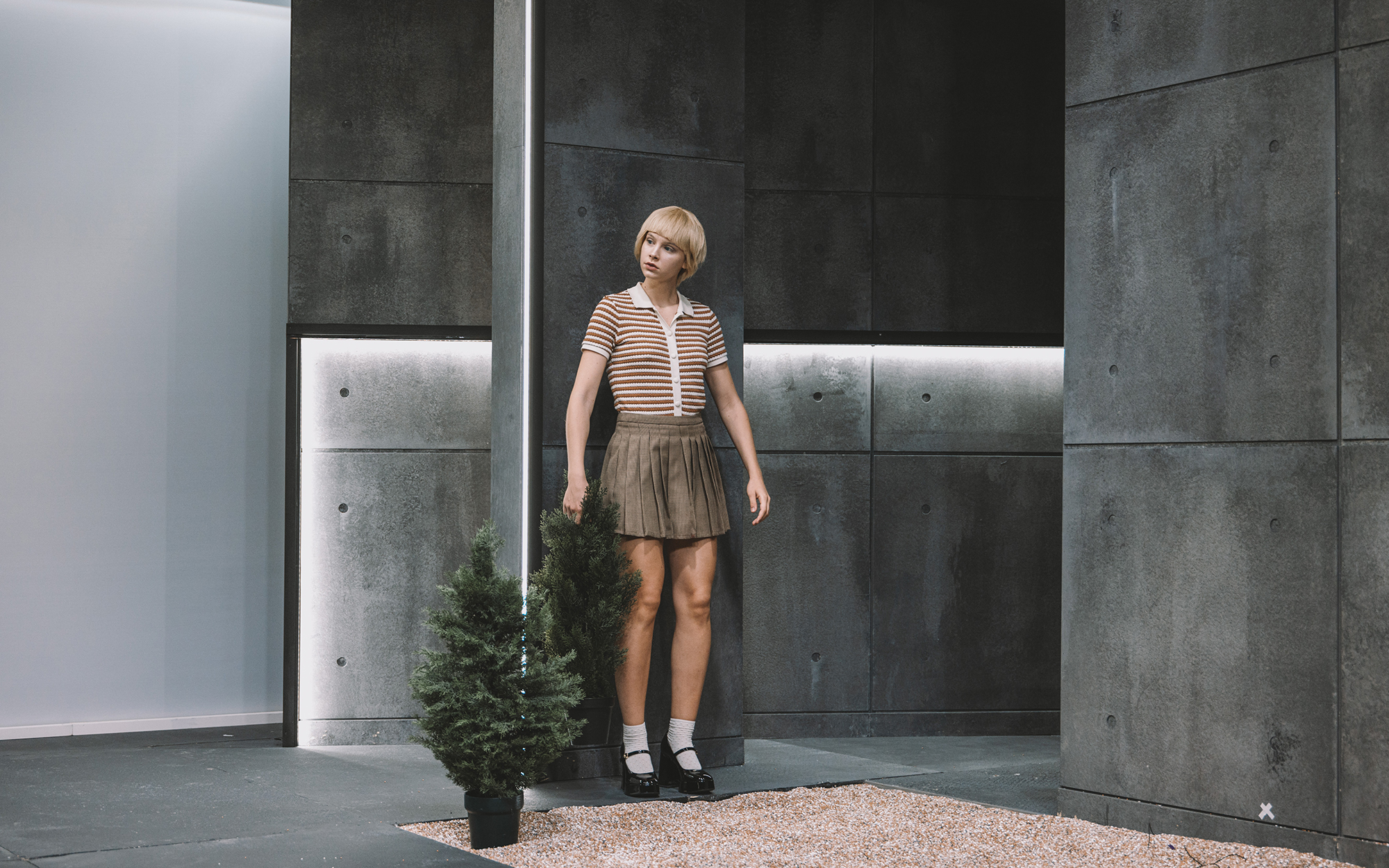
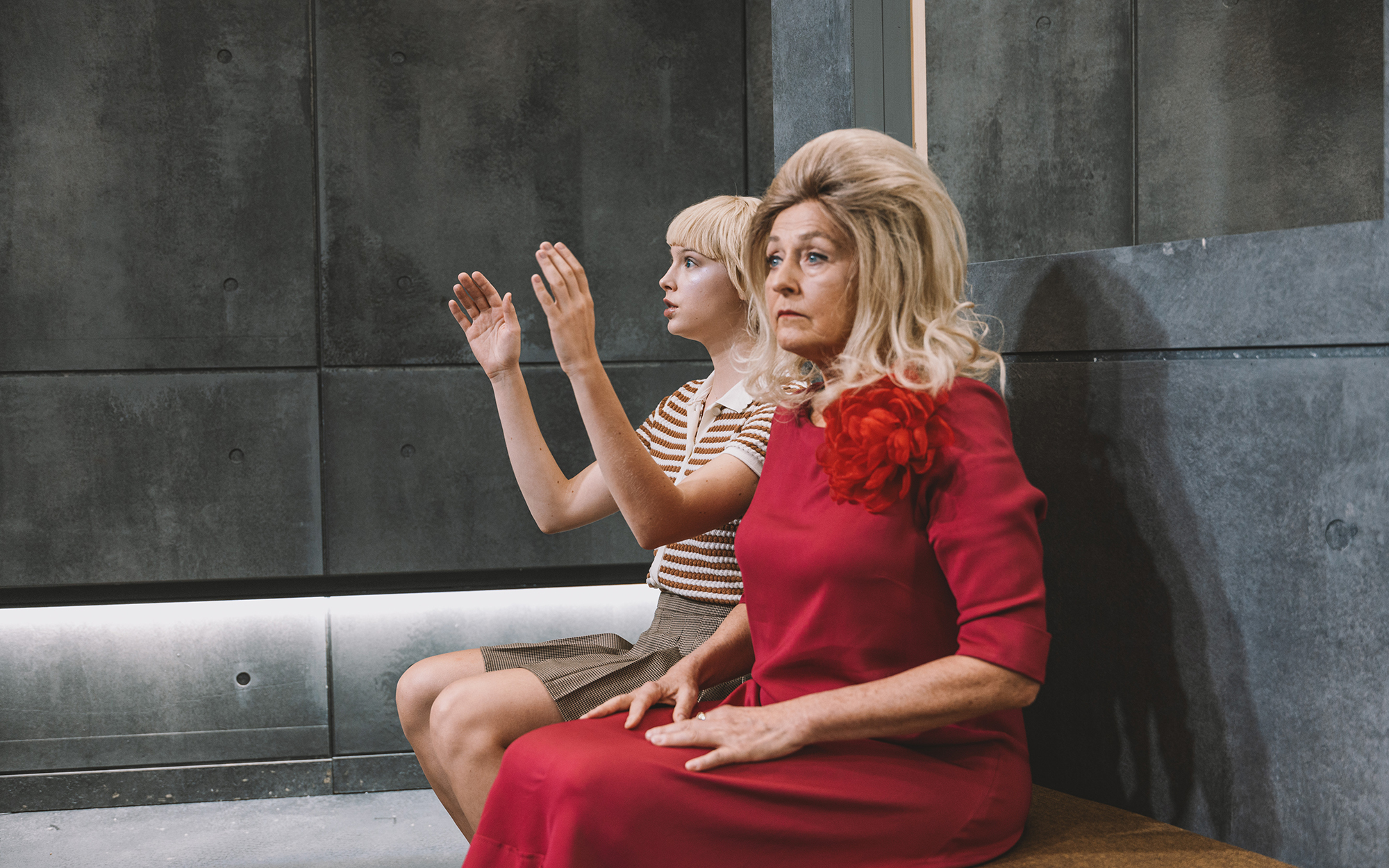
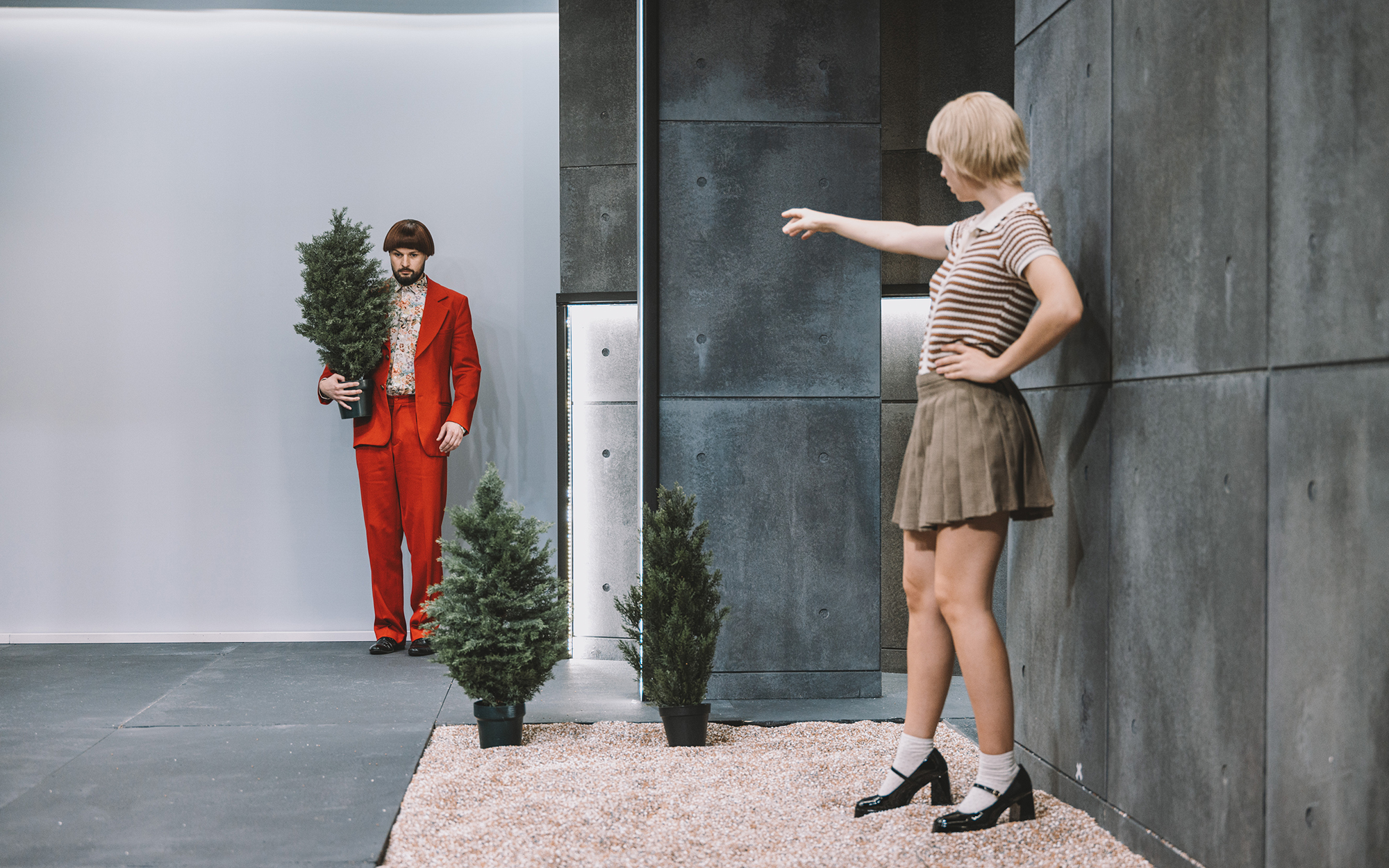
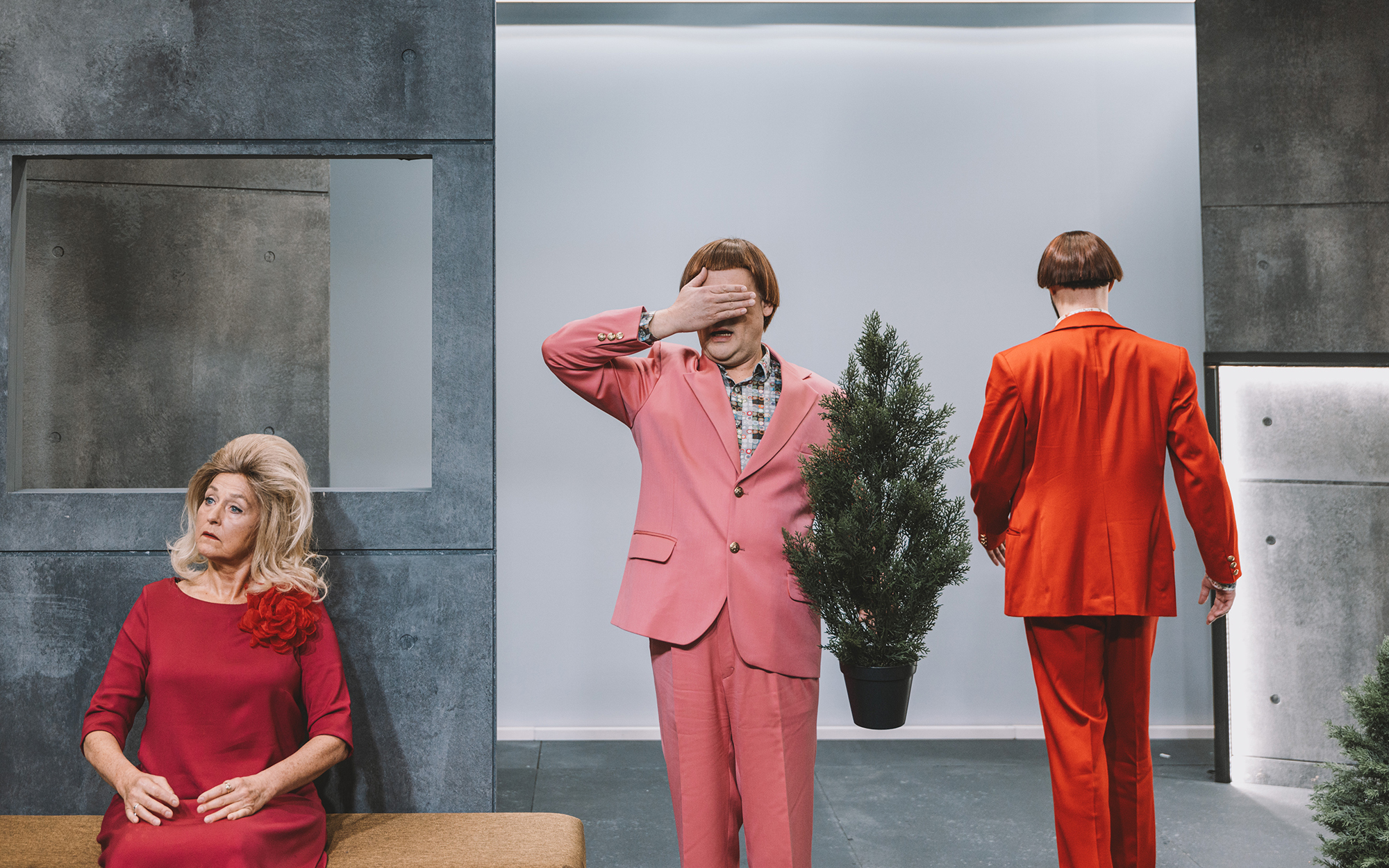
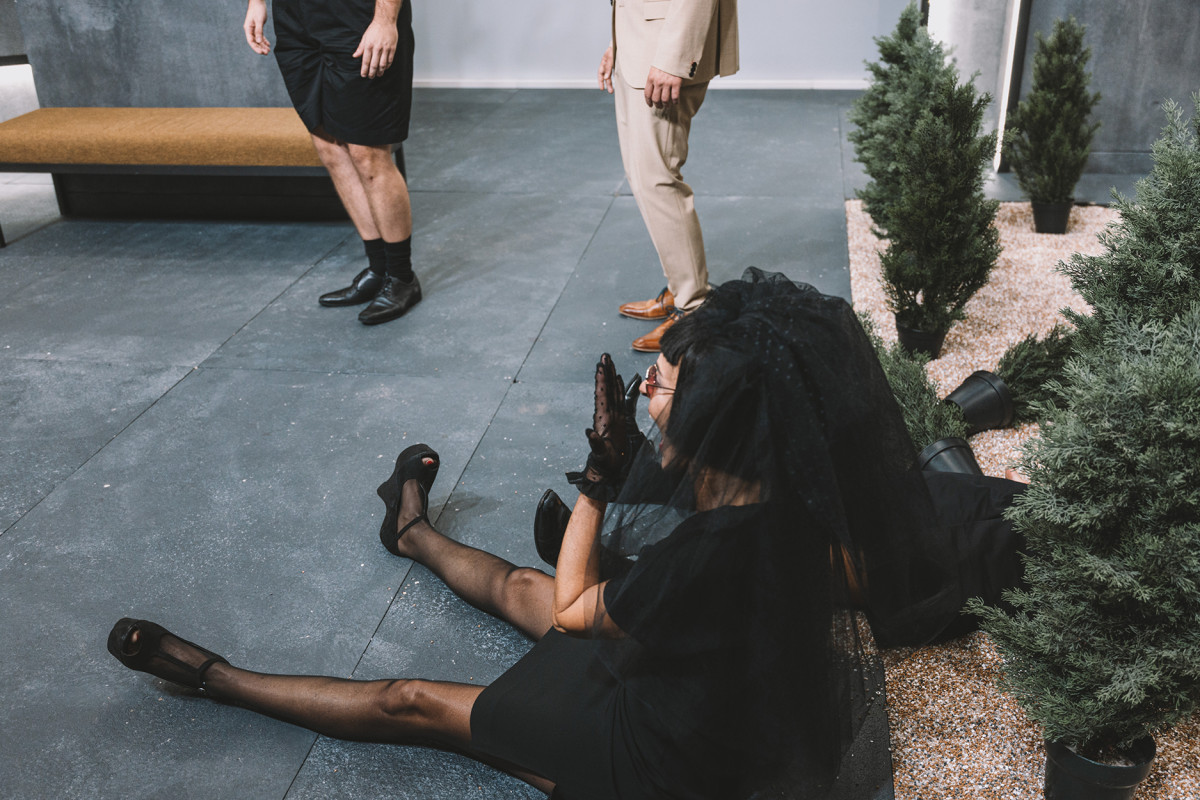
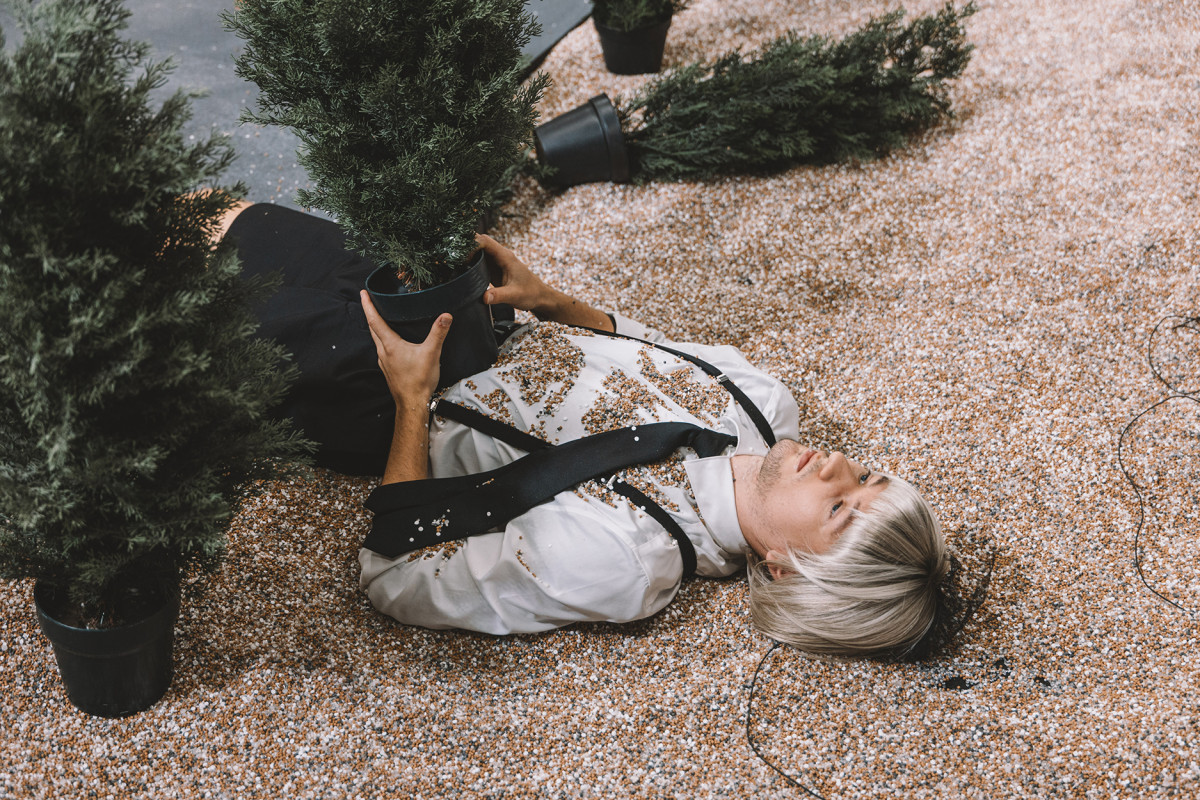
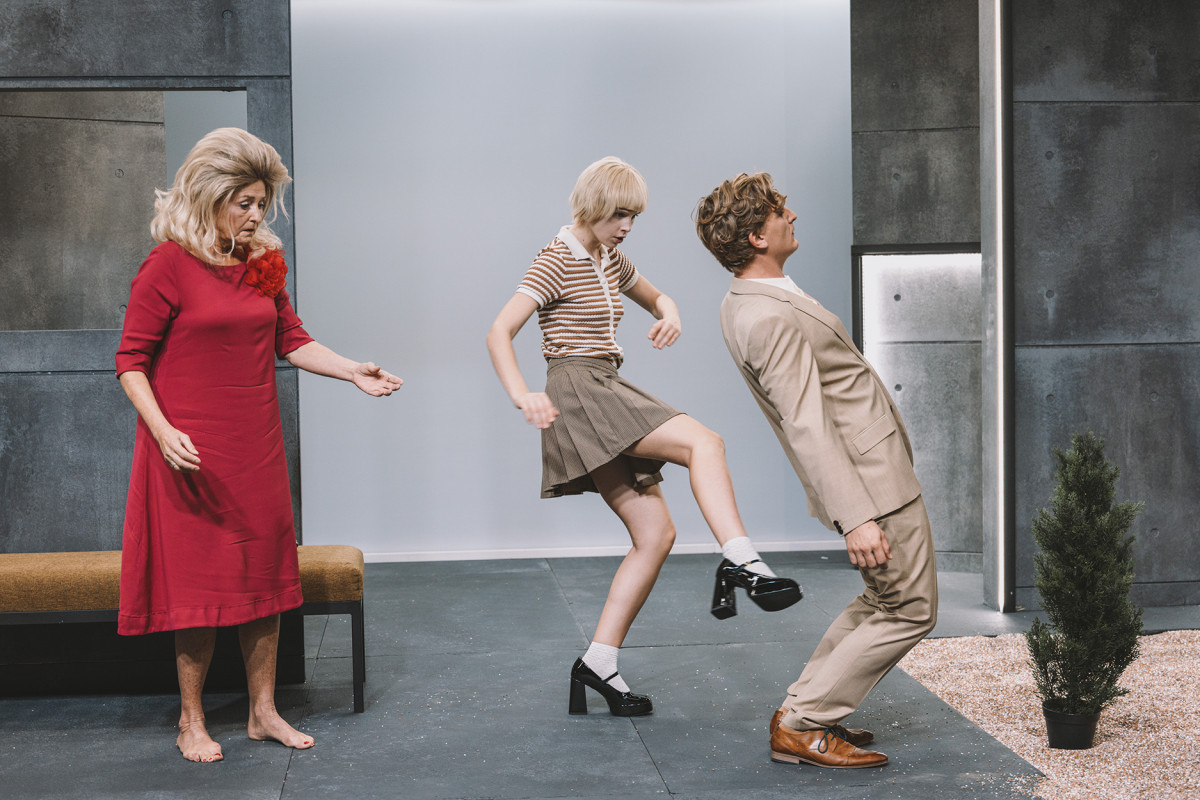
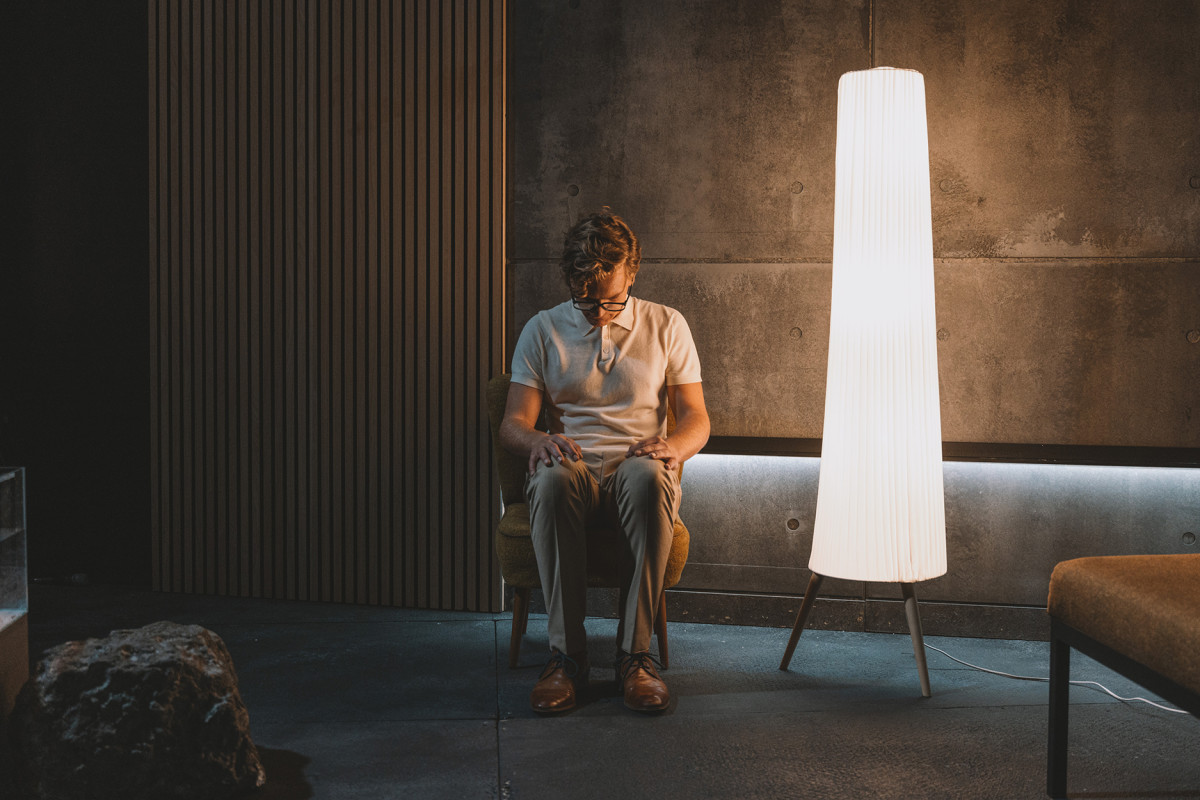
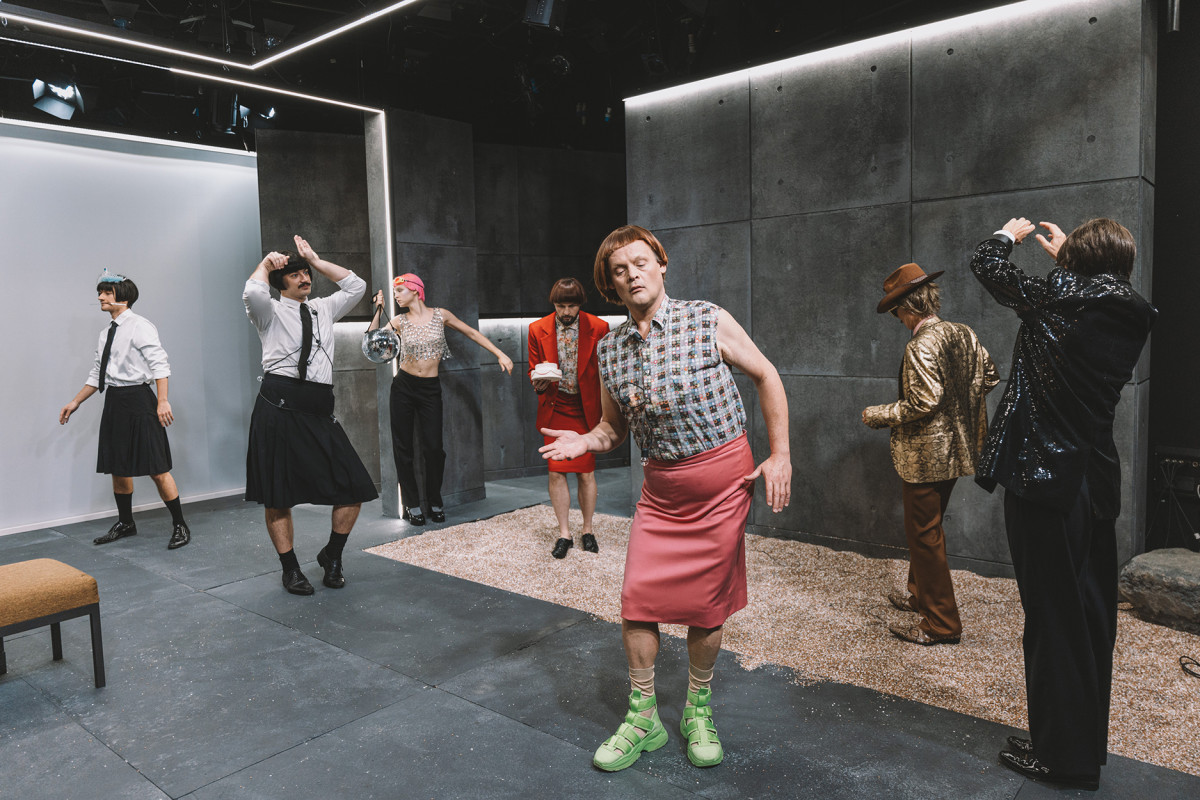
What interested me much more than the narrative of the family drama in Lygre’s presentation were the cracks in this narrative, which give the whole a completely new dimension and reveal to us the grotesque background of contemporary Western society. For this is precisely the real theme of this text. If the family drama is its exposed face, then its reverse side is the society in which it takes place, namely a society that has derailed and is now spinning wildly pannicing in a circle, endlessly reproducing its own inauthenticity. The psychological realism that Arne Lygre chose as his basic narrative style is only the outer layer of the text, which is permeated throughout with absurd, bizarre humor and a deep sense of melancholy and the “weight of the world” that the playwright’s characters carry on their shoulders, without being sufficiently aware of this burden. They are simultaneously subjects and objects of the endless and superficial consumption of a world in which they do not live, but only passively participate.
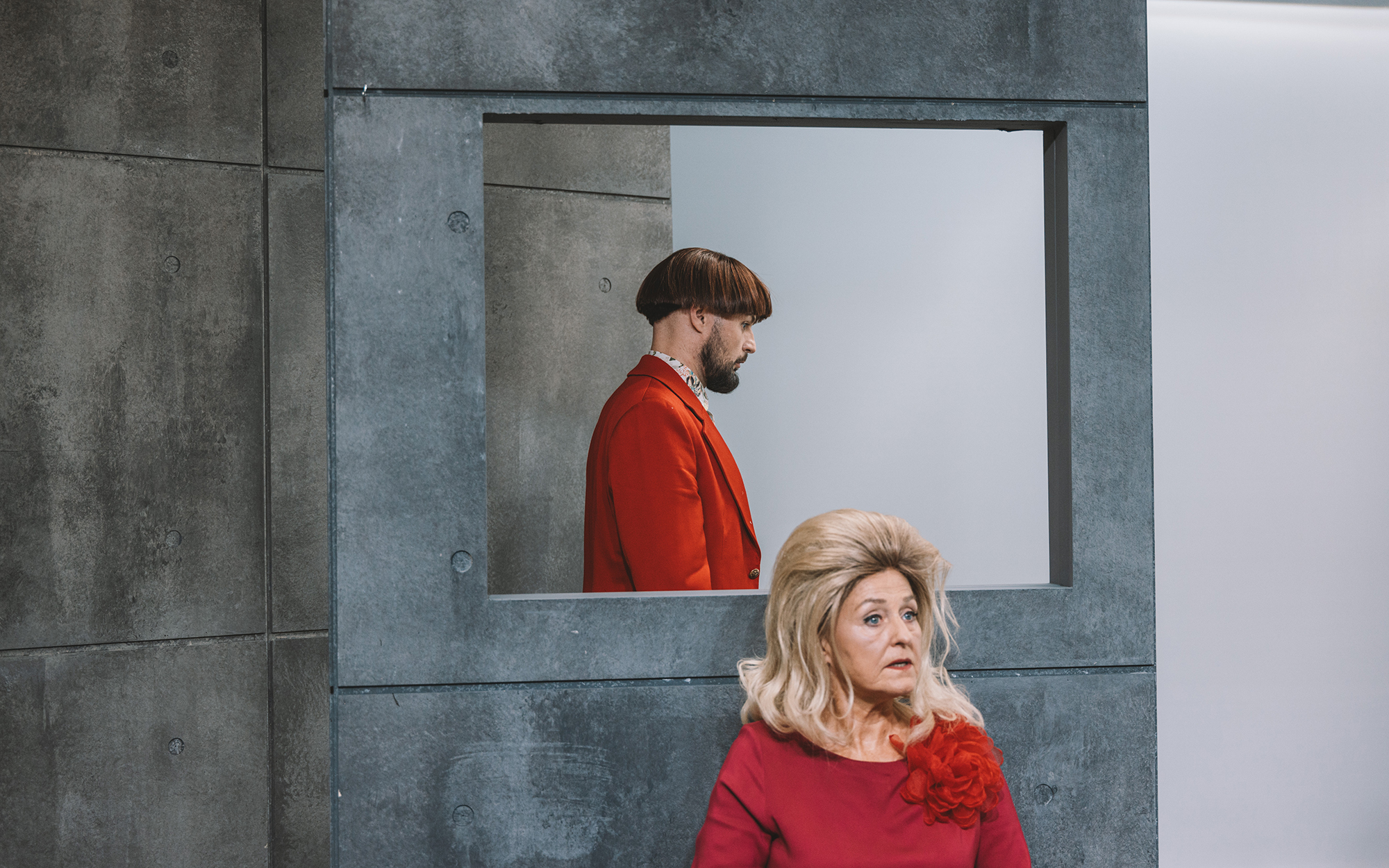
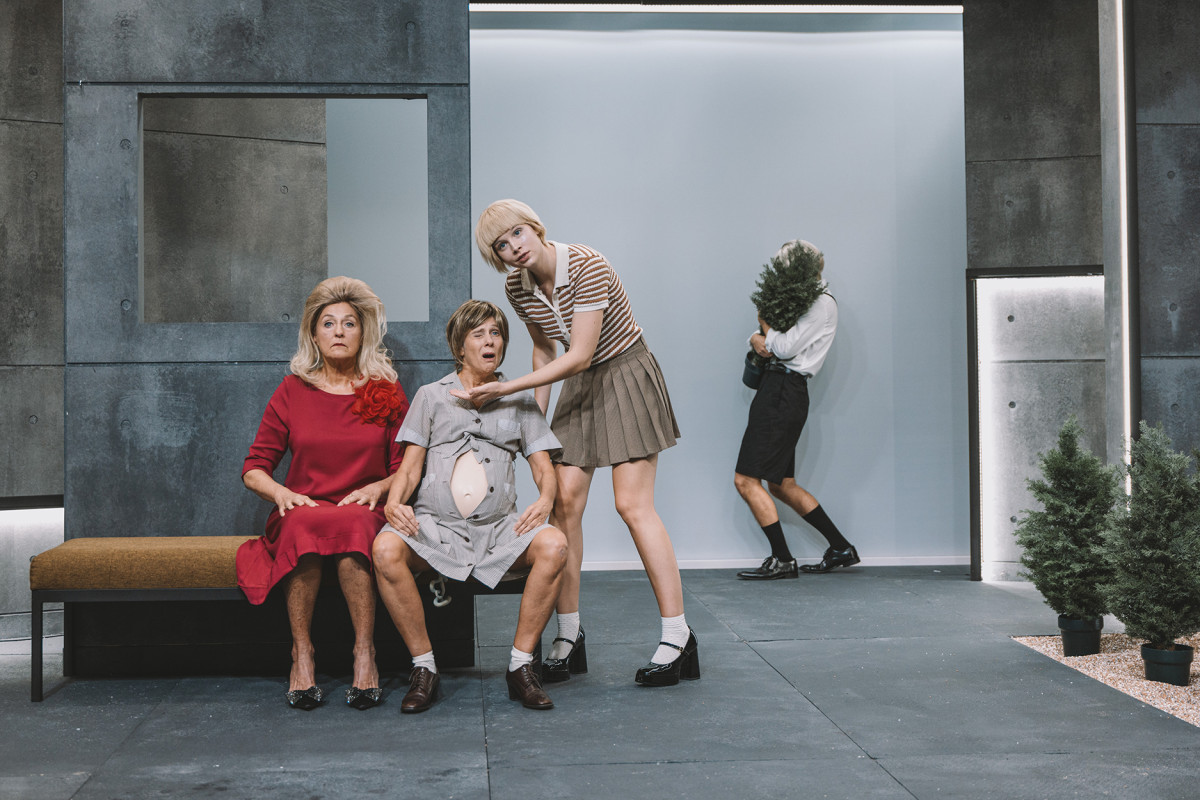
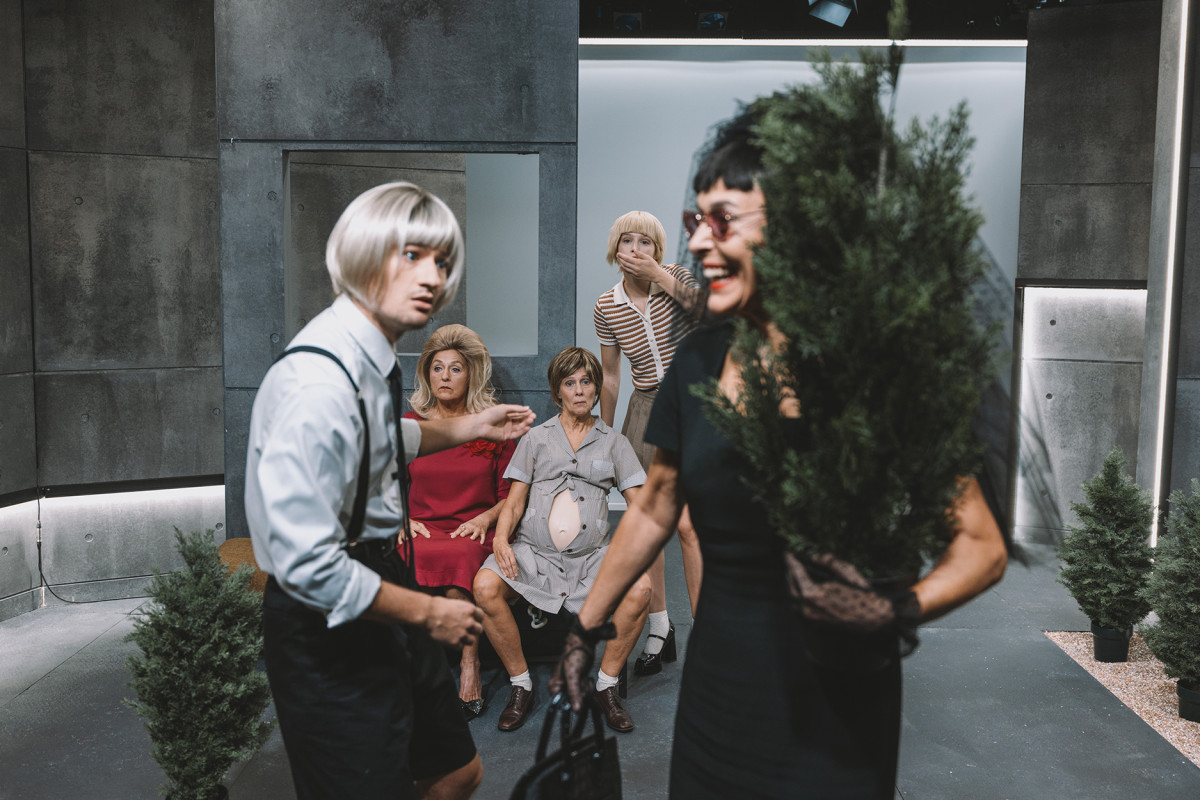
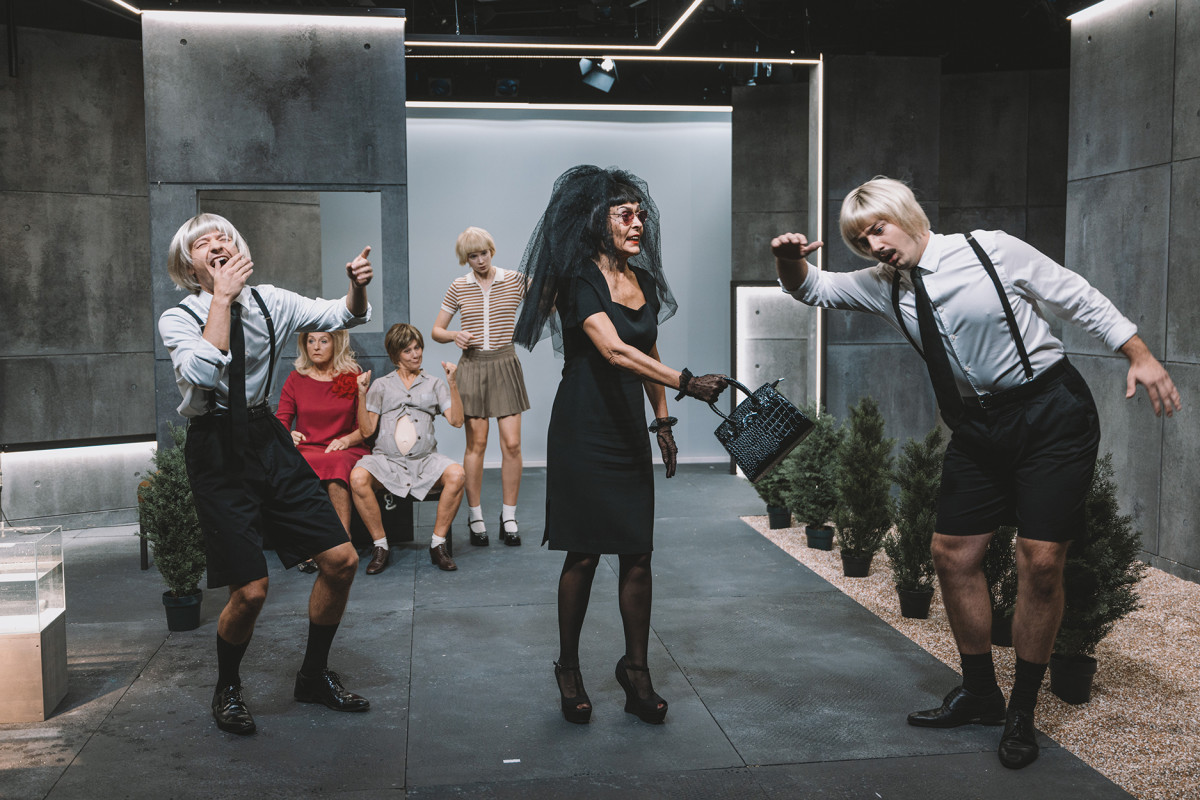
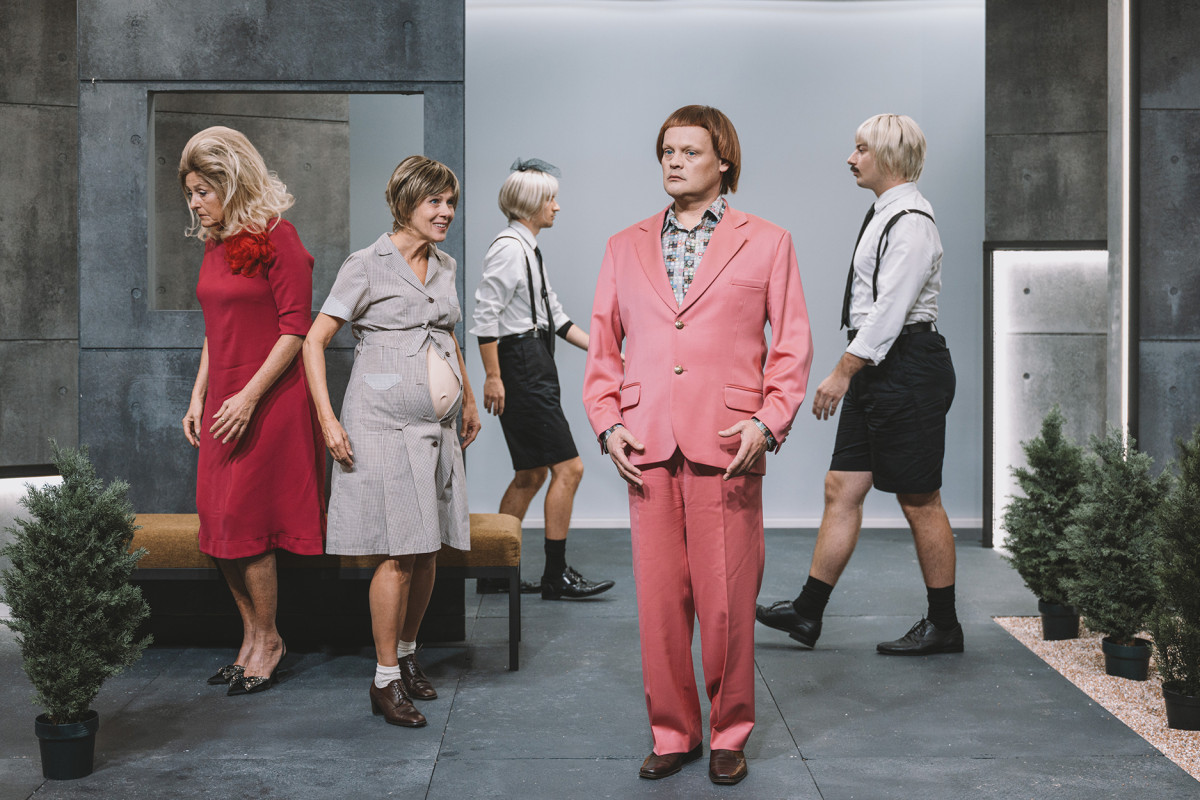
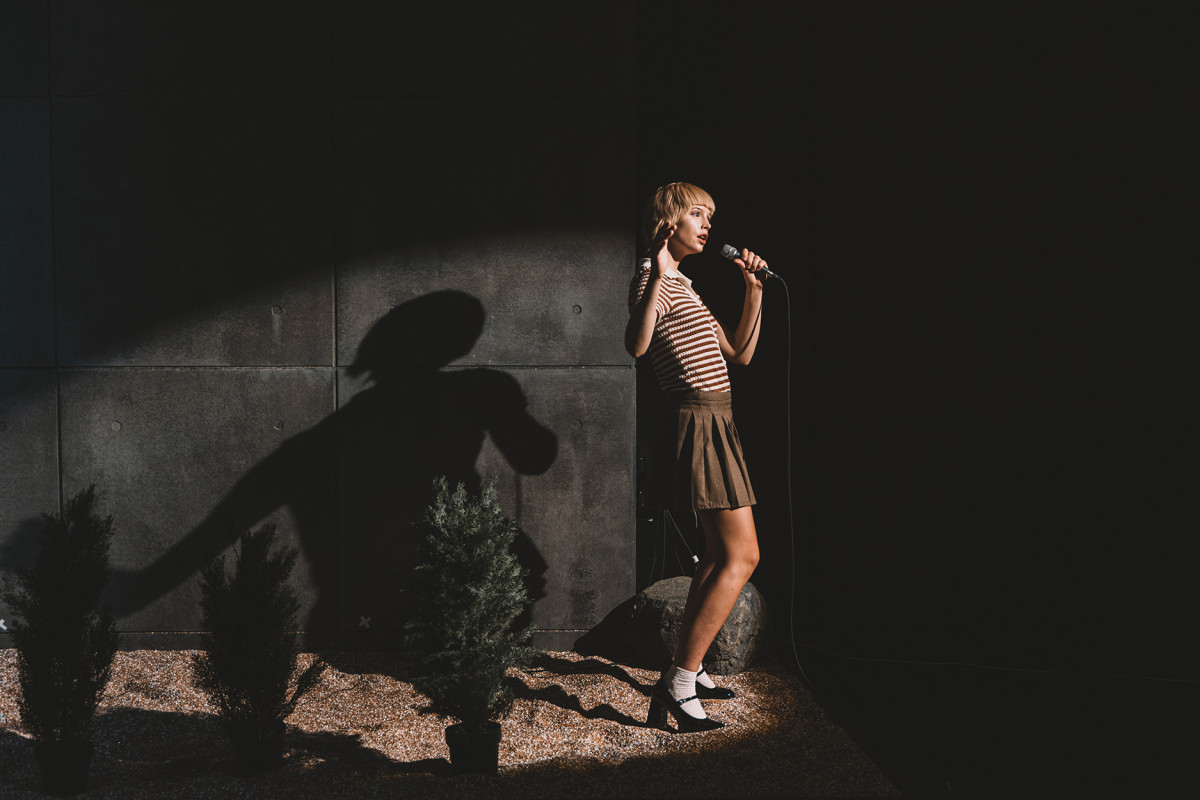
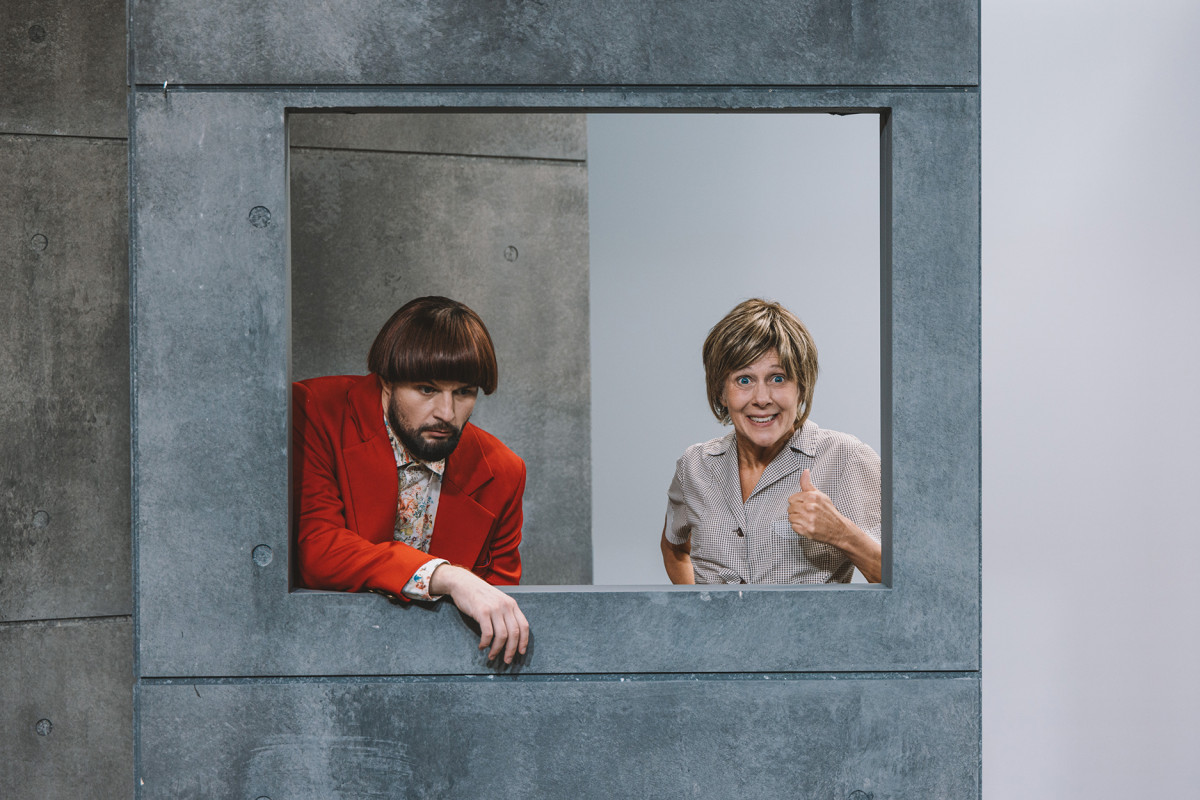
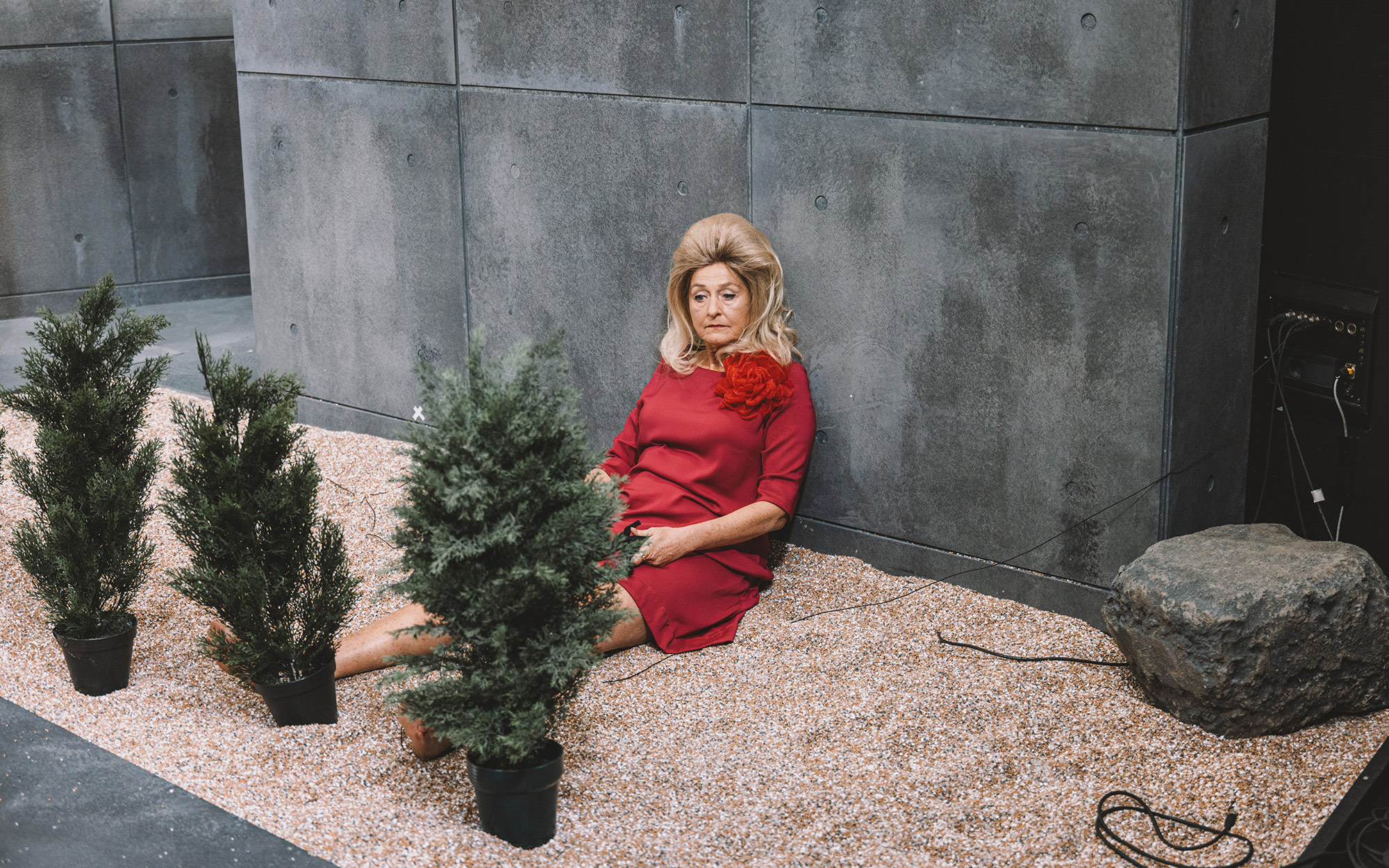
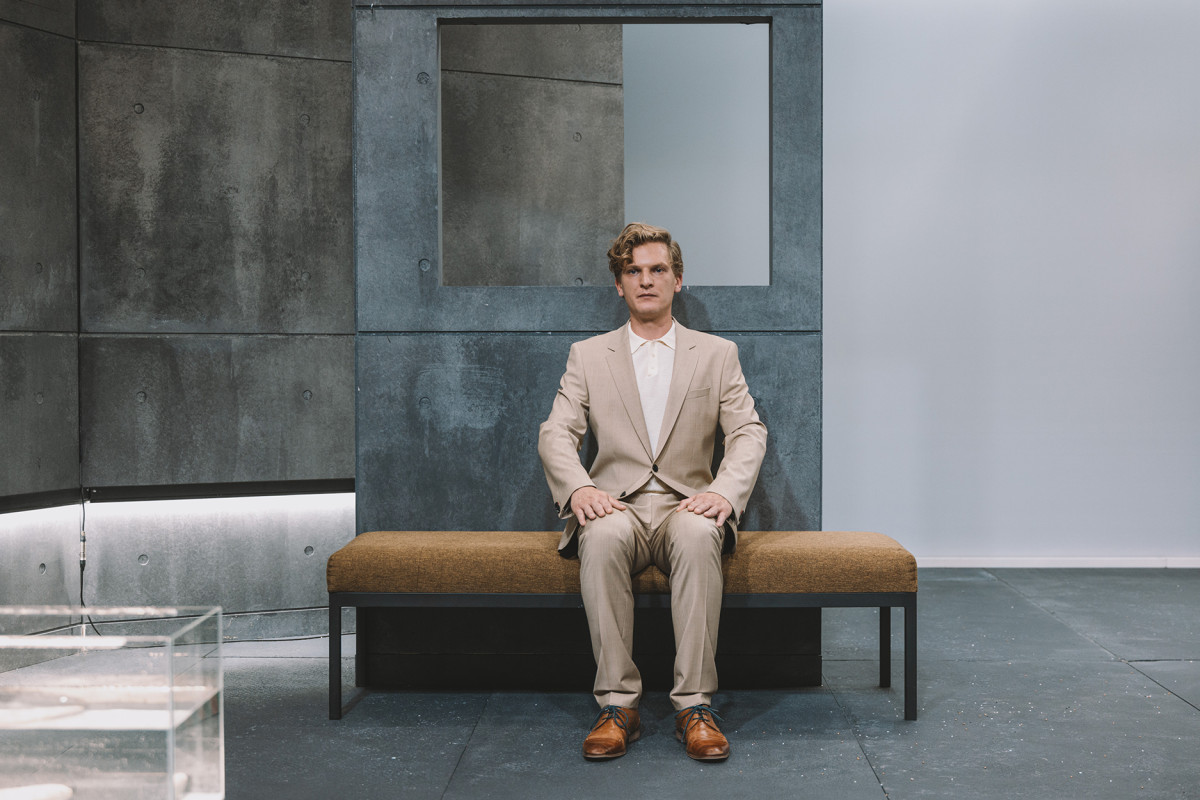
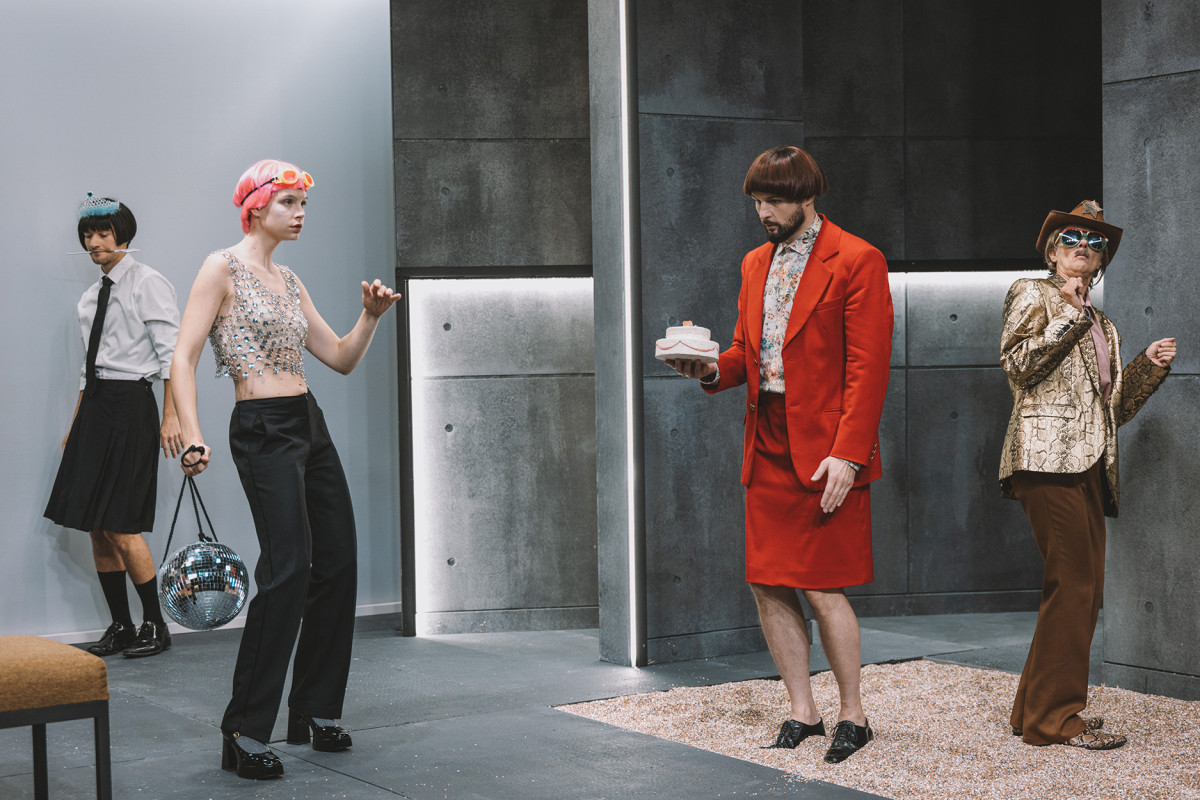
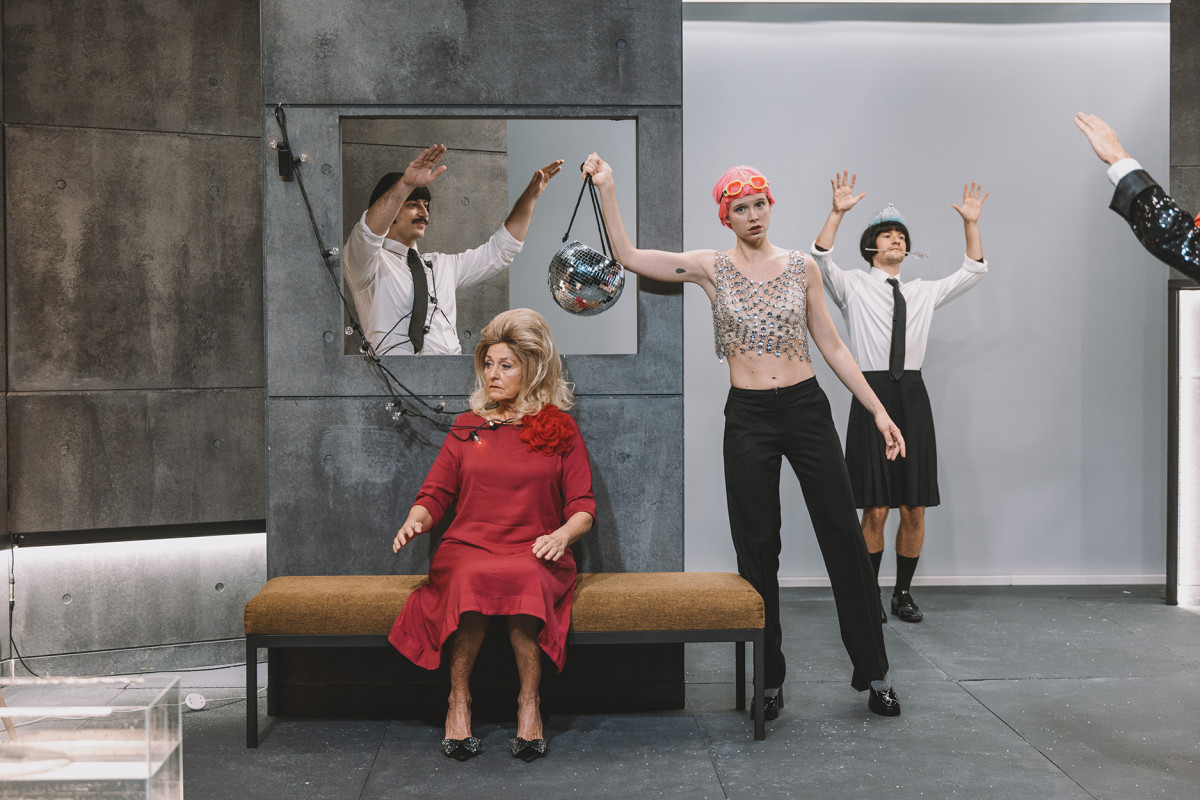
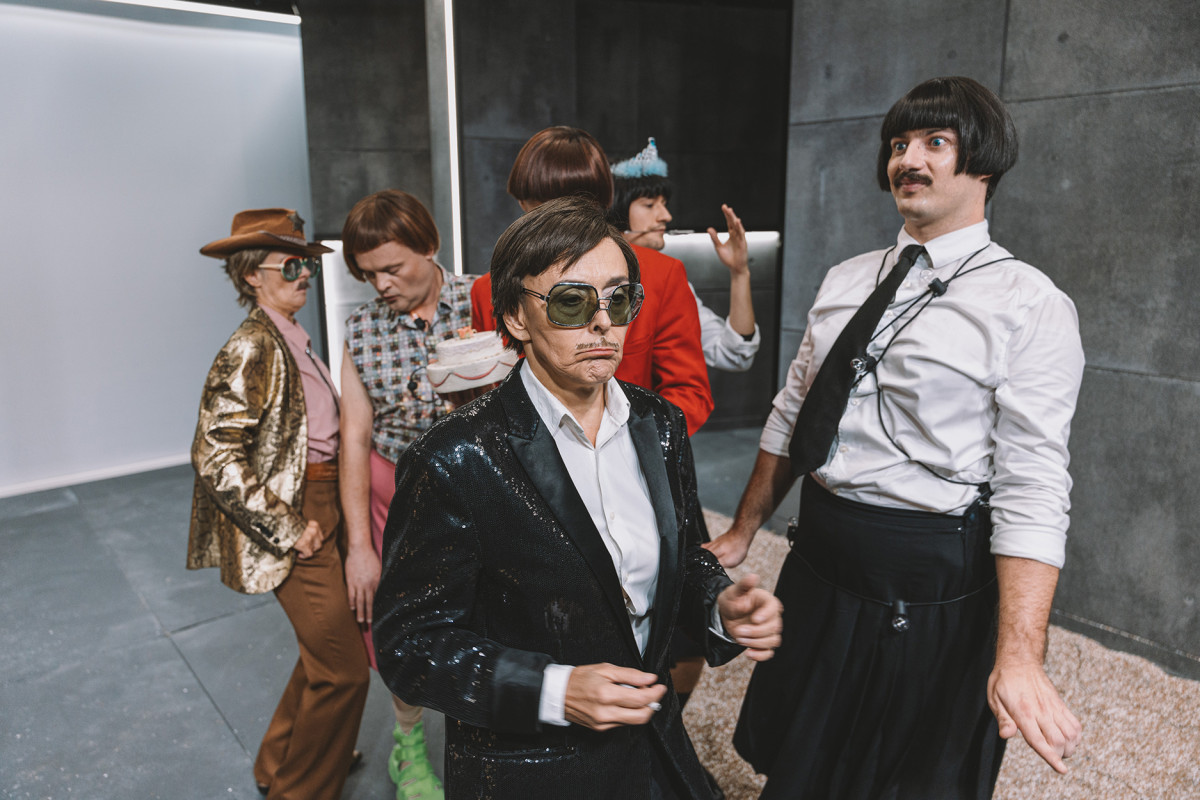
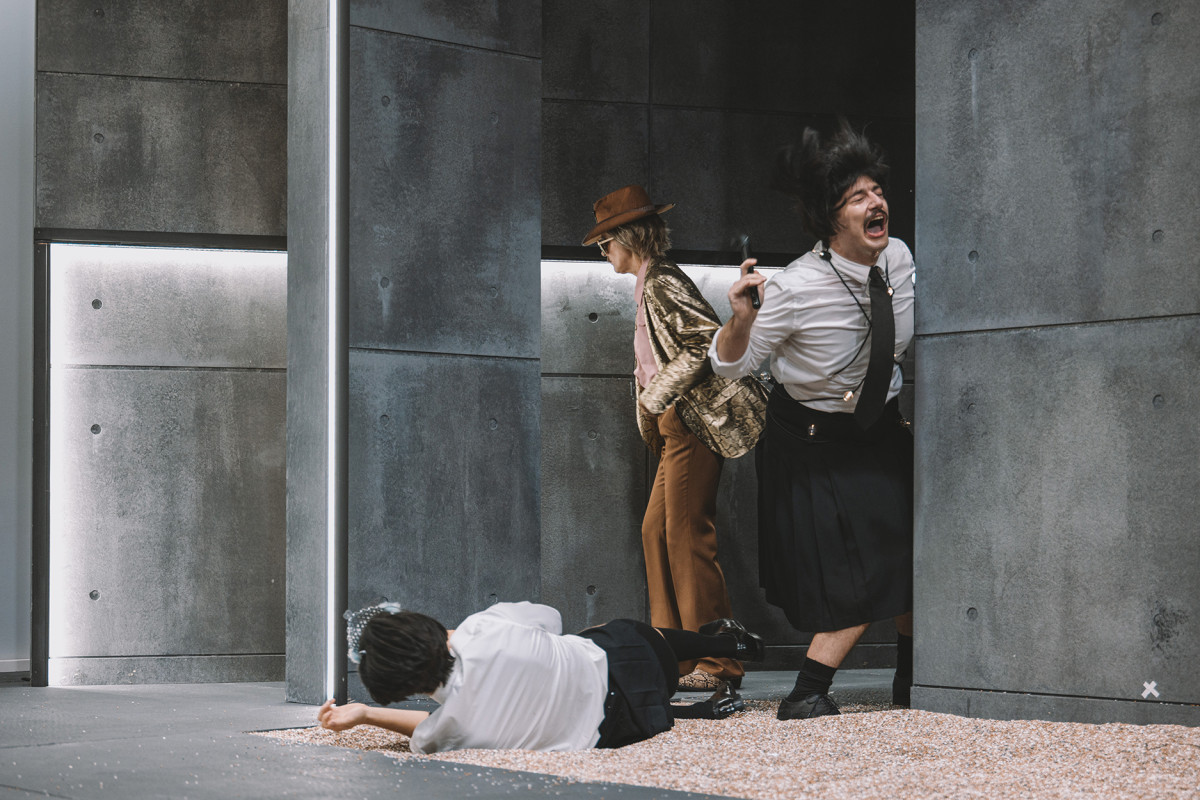
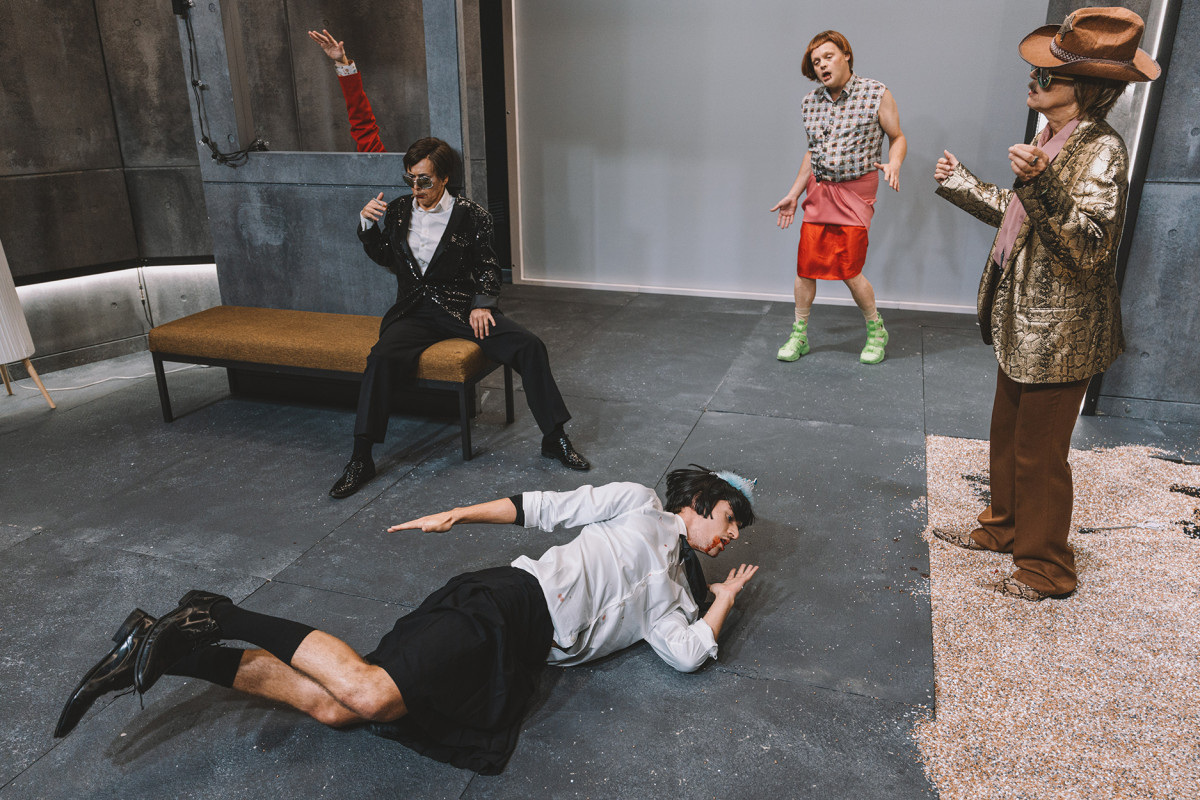
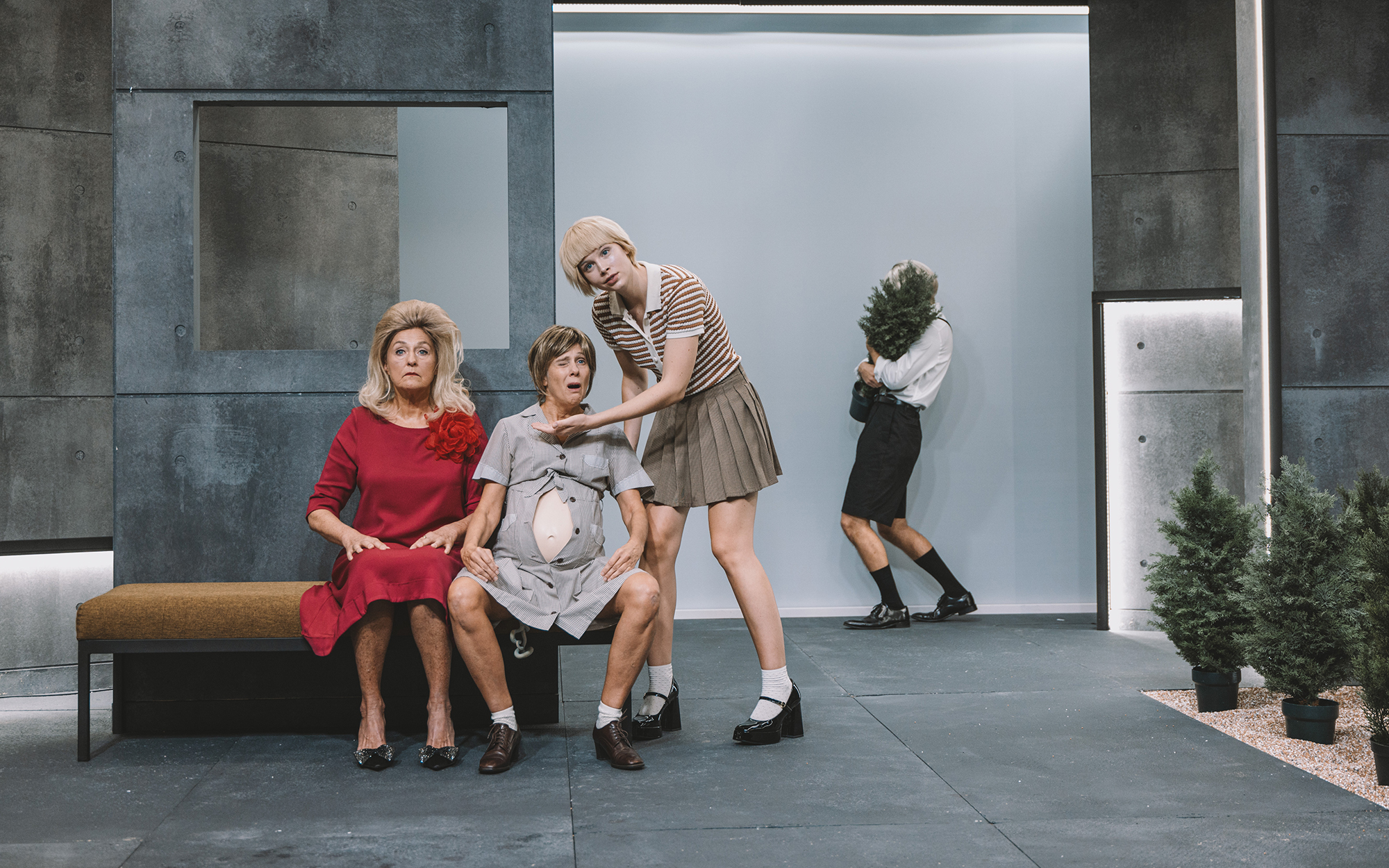
In our performance, they become so-called Non-Player Characters (NPCs) – characters with a limited number of lines that perpetuate our dreary reality and indirectly generate fascism.